Navigating Cancer Care: A Comprehensive Guide to Diagnosis, Treatment, and Support
Navigating the labyrinth of cancer care can be daunting. For patients facing a diagnosis of carcinoma or other malignancies, the journey may feel overwhelming, filled with jargon, uncertainty, and emotional turmoil. Yet, within this challenge lies an opportunity for empowerment. By arming yourself with essential resources, you can take charge of your health and well-being, transforming this difficult experience into one of hope and resilience. How can we effectively empower ourselves in such a complex landscape?
Education is the first step in navigating your cancer journey. Patient education is vital for understanding your diagnosis—whether it’s a newly detected tumor or an advanced-stage malignancy. Seek out credible information on therapies such as chemotherapy, radiation therapy, and immunotherapy. Knowledge equips you to ask informed questions during appointments and to engage with oncologists about the best treatment options available. With innovations in cancer care constantly emerging, clinical trials can be a gateway to advanced pharmaceuticals that might hold the key to your recovery. Remember, 'Knowledge is power.' How equipped do you feel with your current understanding of your condition?
However, knowledge alone isn’t sufficient. The emotional challenges accompanying a cancer diagnosis can weigh heavily. Mental health plays a crucial role in the survivorship journey. Consider joining support groups where you can share your feelings and experiences with those who understand your plight. Remember that your struggles are valid. Seeking therapy or counseling can also provide outlets and strategies for coping with symptoms and side effects. After all, 'It's okay not to be okay.' Have you explored the community support options available to you?
Nutrition and holistic health are often overlooked elements in cancer care. Making lifestyle changes through health education can bolster your strength. Eating a balanced diet rich in antioxidants, understanding the role of pharmaceuticals in managing side effects, and incorporating restorative care into your routine can make a significant difference. Furthermore, staying informed about screening and early detection can lead to better prognoses, ensuring that you are not just a survivor but a thriver. What small dietary or lifestyle changes could you implement today to support your journey?
Lastly, advocacy can be an incredibly empowering aspect of navigating cancer care. Whether it’s advocating for yourself or helping others in the community, sharing your insights and experiences can change lives. Become active in health education initiatives or volunteer for organizations that focus on innovation and patient resources. Each bit of awareness you spread contributes to a more informed society, ultimately benefiting not just yourself but the entire cancer community. How can you use your voice to inspire others on their journey?
From Diagnosis to Recovery: Innovative Therapies and Support Strategies
The journey from diagnosis to recovery is undoubtedly one of the most challenging paths life can present. When faced with a diagnosis of malignancy, whether it's carcinoma or another type of tumor, patients often feel an overwhelming surge of emotions, from fear and confusion to a desperate longing for clarity and recovery. But amidst the uncertainty, there's hope, particularly as innovative therapies and robust support strategies continue to transform cancer care. As the realm of oncology evolves, so too do the opportunities for healing, resilience, and survivorship. So, how can you navigate this complex system to achieve the best outcomes?
Upon receiving a diagnosis, it's crucial to understand the options available. From immunotherapy and radiation therapy to chemotherapy and emerging pharmaceuticals, today's therapies harness cutting-edge science to fight cancer more effectively than ever before. It's no longer just about traditional treatments; innovations like targeted therapies are offering new hope and redefining prognosis for many. Furthermore, integrating holistic health approaches — including proper nutrition and mental health considerations — plays a pivotal role in crafting a personalized treatment plan. Advocacy for yourself or your loved ones can shift the trajectory of care, ensuring that all angles of wellness are attended to.
Yet, one critical facet often overlooked is the importance of patient education and community support. Survivorship is not merely about surviving the disease but about thriving beyond it. Support groups provide platforms for those afflicted to share their stories and struggles, fostering a sense of belonging and understanding. As the saying goes, 'There is no power greater than a community discovering what it cares about.' Engaging with others on similar journeys can be an invaluable source of strength and encouragement, offering both insight and compassion.
Additionally, actively participating in clinical trials can open doors to groundbreaking treatments that may not yet be widely available. These trials not only advance the field of oncology but also present patients with cutting-edge therapies that may lead to improved side effects and overall outcomes. But how can you know if a clinical trial is right for you? Collaborating with healthcare providers and gaining access to patient resources can demystify this complex process, allowing you to make informed decisions that resonate with your personal health journey.
Finally, as the recovery phase begins, embracing lifestyle changes is vital for long-term well-being and quality of life. Restorative care doesn't end with traditional therapies; it’s about nurturing both body and mind as you navigate the road ahead. Practical health tips like maintaining a balanced diet, engaging in regular physical activity, and prioritizing mental health can enhance your overall health. Remember, every step taken toward wellness is a testament to resilience and determination. So, as you move from diagnosis to recovery, understand that you have the right tools and support at your disposal to not just survive, but to thrive.
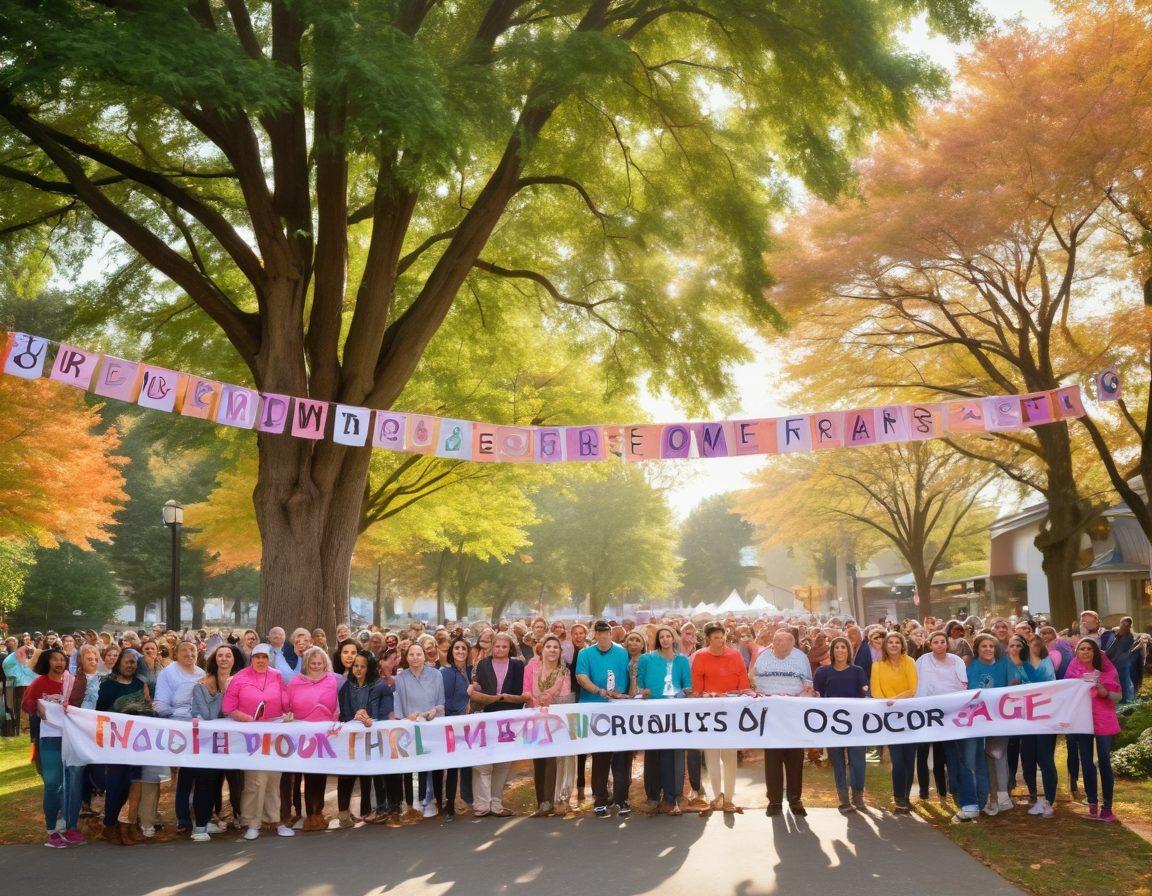
Building a Supportive Community: Education and Advocacy for Cancer Survivorship
When faced with a malignancy, the journey can be daunting, not only for the patient but also for their loved ones. The initial diagnosis often comes as a shock, leaving many wondering about the next steps. How will we navigate this maze of treatment options like chemotherapy, radiation therapy, and immunotherapy? It’s during these times that building a supportive community becomes crucial. Together, we can explore pathways to healing that transcend just the medical realm, fostering a holistic approach to survivorship.
Building a supportive community is more than just gathering individuals; it is about creating a nurturing environment where stories and experiences are shared. Imagine a space where survivors gather to discuss the symptoms they faced or the side effects of various therapies. 'Shared experiences can be the cornerstone of healing', a sentiment echoed by many in support groups. Educating each other about available patient resources, innovative treatment methods, and restorative care can create a foundation of understanding and solidarity that many need during their battle against carcinoma.
Education and advocacy in cancer survivorship begin at the grassroots level. From patient education workshops focusing on nutrition and lifestyle changes to discussions about clinical trials and pharmaceuticals, empowering cancer patients with knowledge is essential. Patients who are informed about their options—whether it’s the latest in immunotherapy or the benefits of early detection through screening—feel more equipped to make decisions regarding their health. By promoting health education in community settings, we can demystify medical jargon and cultivate a more informed populace.
Furthermore, mental health plays a pivotal role in the overall well-being of cancer survivors. Post-diagnosis, people often experience a range of emotions from fear and anxiety to hope and empowerment. 'Your mental health is just as important as your physical health,' highlights the need for incorporating psychological support into treatment plans. Community support that includes mental health resources, counseling, and peer support not only aids in processing these emotions but also strengthens the individual's resilience against the challenges of survivorship.
By coming together as a community and advocating for cancer survivorship, we can ensure that no one faces their journey alone. Developing local support networks, engaging in health education initiatives, and sharing stories of triumph can inspire hope. So, how can you contribute to this growing movement? Whether it’s joining a support group, volunteering for healthcare advocacy, or simply being there for someone in need, every action matters. In the fight against malignancy, let’s unite our voices to create a symphony of support and encouragement that exemplifies the true essence of survivorship.